Urgent PEPTIDE MOM Security Alert: Fake Clone Website peptide.pics Detected
A fraudulent clone mimicking the official Peptide Mom website is active at peptide.pics. Protect your research data and verify our official domain.
Official Website Verification Security Poster
Review the official security poster to distinguish the real domain, approved payment channels, and authorized contact paths before placing an order.
Welcome to Peptide Mom
Your trusted global source for research-grade peptides — now serving researchers worldwide.
New Research Compounds Added — Q2 2025
RT, Survodutide, SLU-PP-332, and 8 more compounds now available with full COA.
Shipping Policy Update
We've expanded international shipping to 30+ countries with upgraded cold-chain packaging.
Exploring the frontiers of peptide research and analytical methodology.
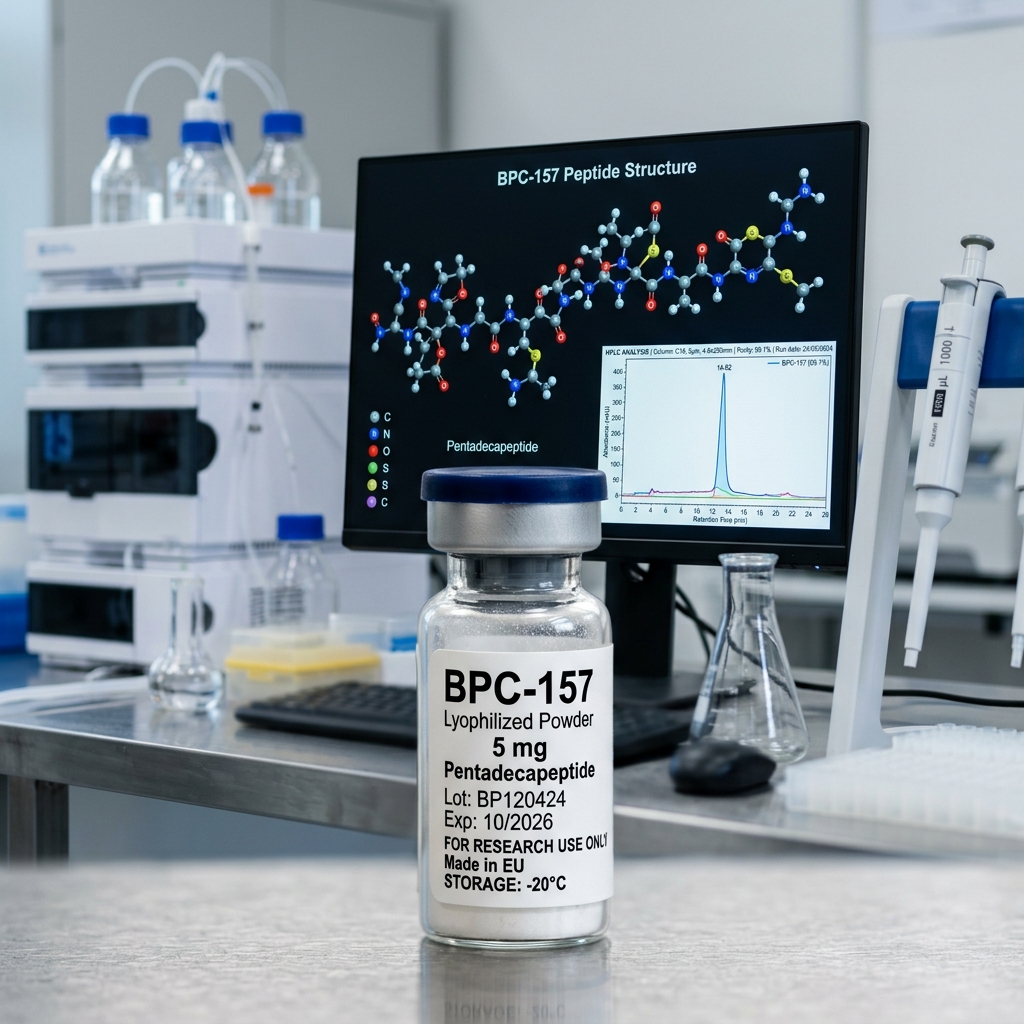
Body Protection Compound-157 (BPC-157) is a synthetic pentadecapeptide derived from human gastric juice, widely studied for its potent regenerative, angiogenic, and cytoprotective properties.
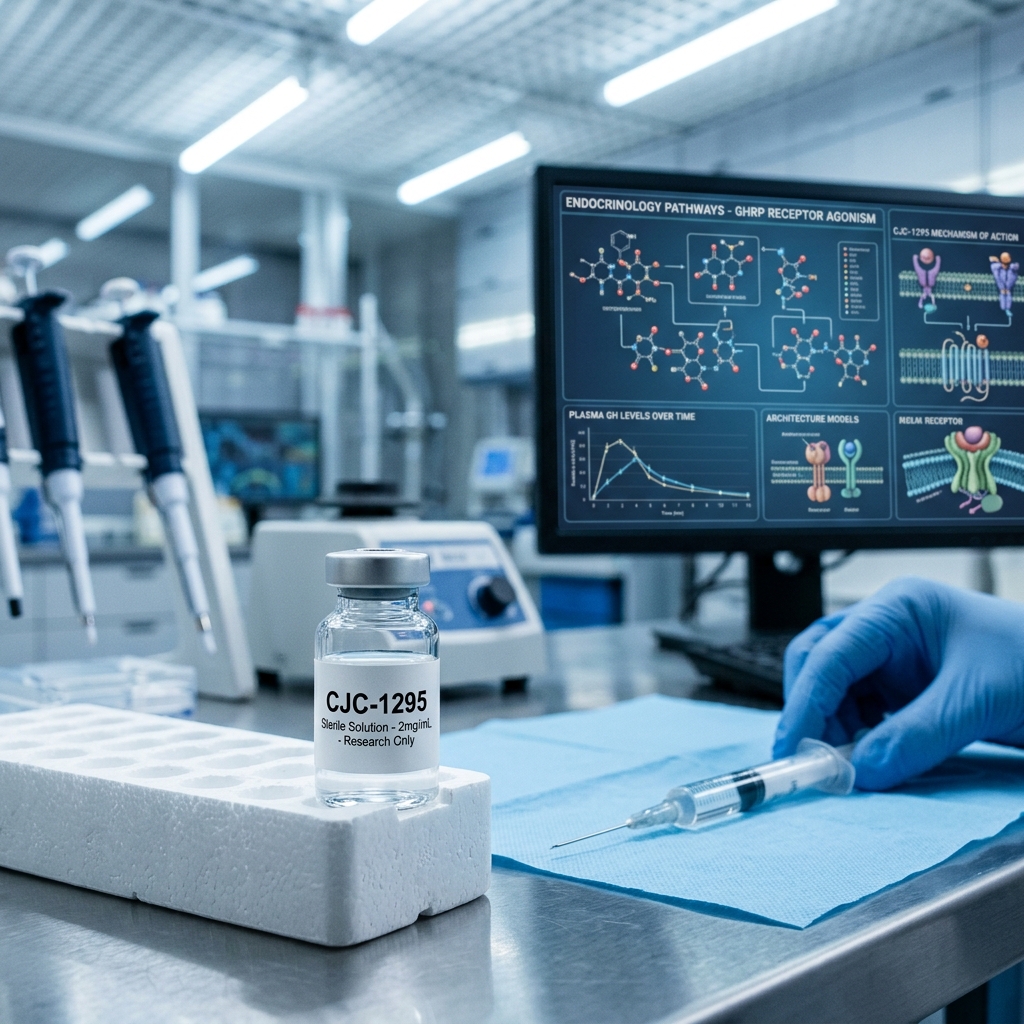
CJC-1295 is a synthetic Growth Hormone-Releasing Hormone (GHRH) analog designed to enhance endogenous growth hormone (GH) secretion through prolonged receptor activation.
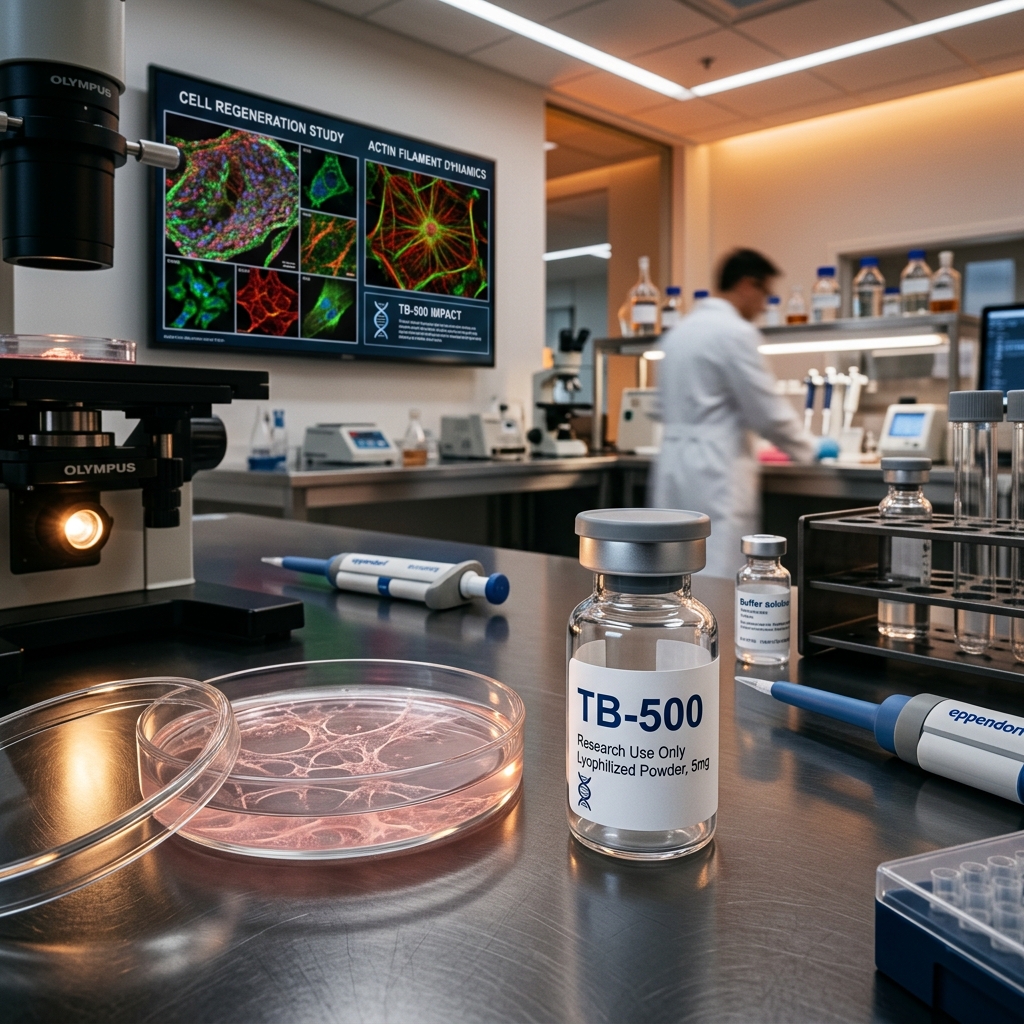
TB-500 is a synthetic peptide derived from the naturally occurring protein Thymosin Beta-4 (Tβ4), widely researched for its role in cell migration, actin regulation, and tissue repair.
Analyzing the core pillars of international supply chain management, communication efficiency, and standardized order processing at PEPTIDE MOM.
Examining the impact of delivery speed, real-time logistics tracking, and shipping stability on global research supply chains.
Differentiating between transactional supply and relational partnership in the international biotechnology market.
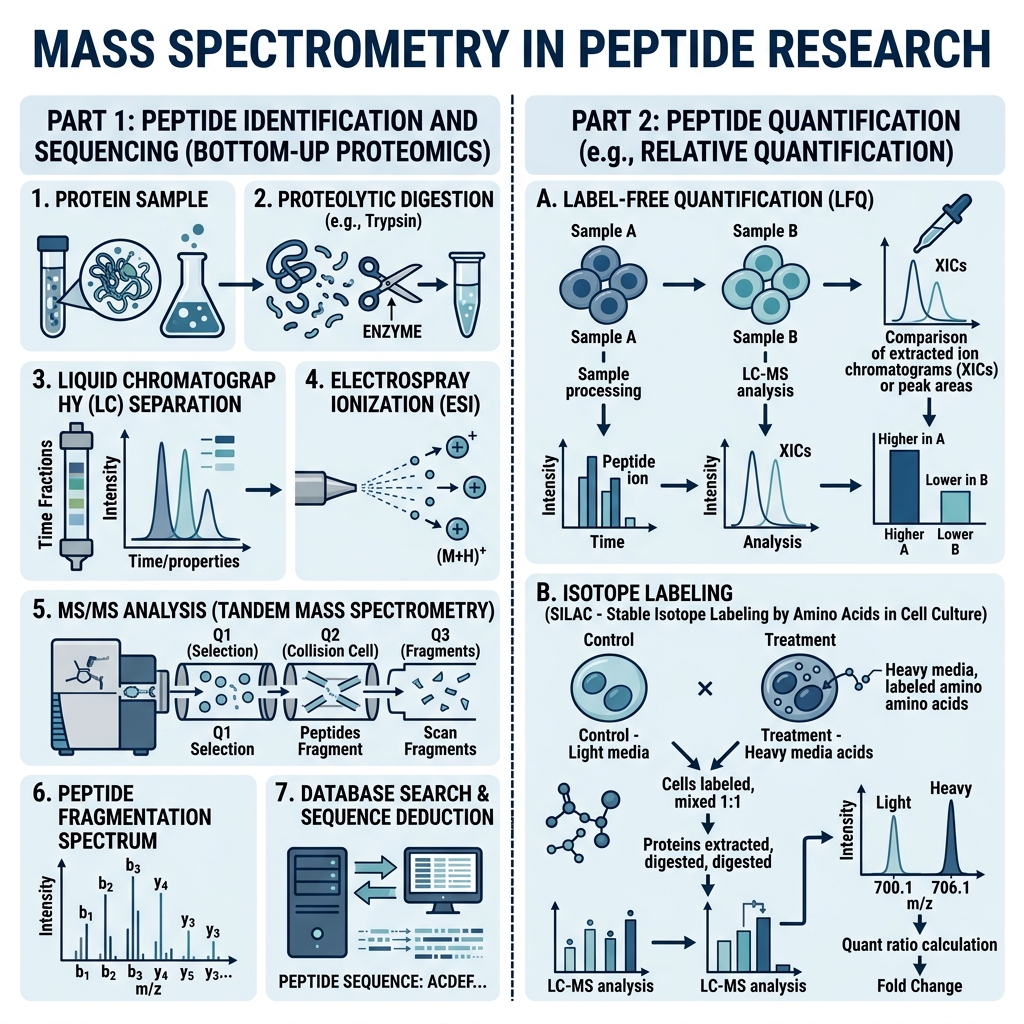
Exploring the analytical power of mass spectrometry in the verification and identification of peptide structures.
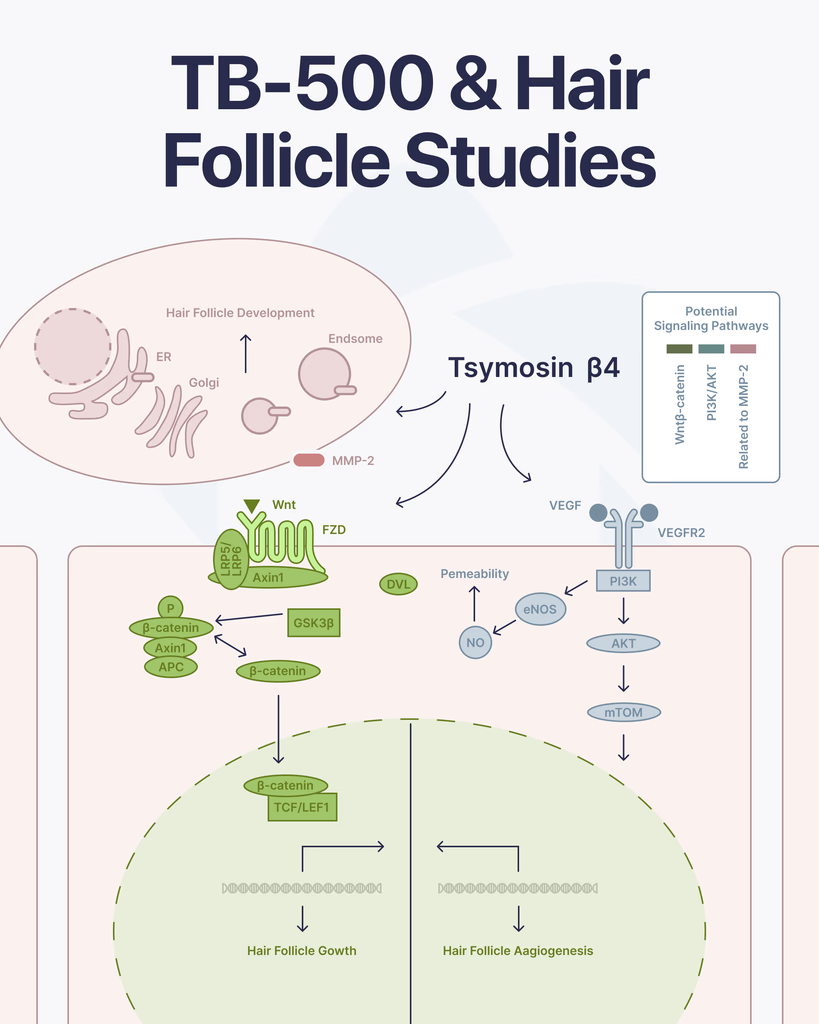
Investigating the regenerative potential of Thymosin Beta-4 derivatives in cellular follicle environments.
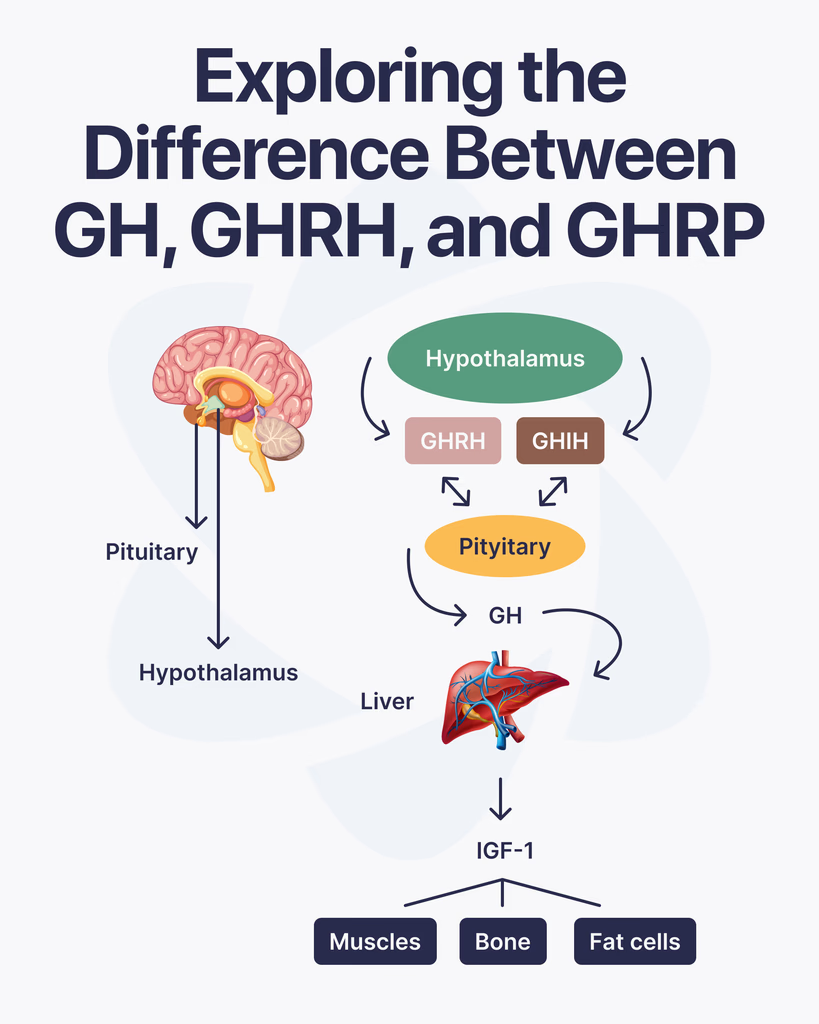
A technical breakdown of growth hormone secretagogues and their unique signaling pathways.
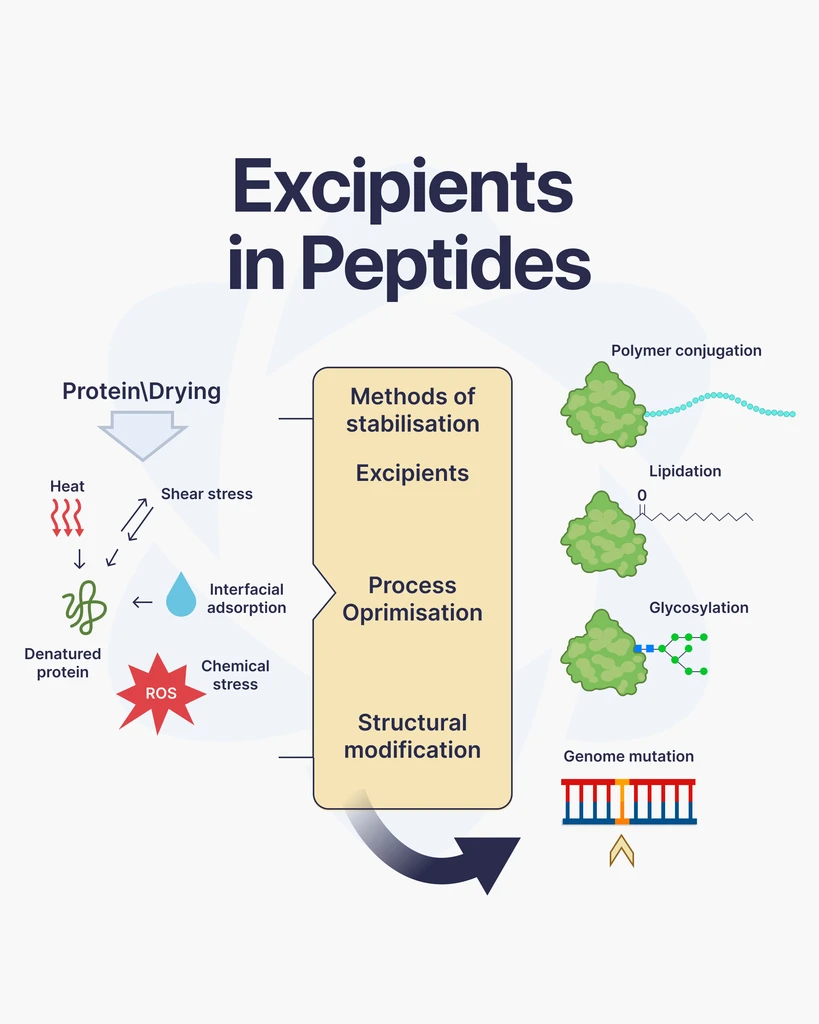
Understanding the role of stabilizing agents in the preservation and shelf-life of research compounds.
The gold standard for peptide purity verification. How HPLC separates and identifies complex compounds.
A foundational look at the molecular hierarchy of biological building blocks, from single units to complex structures.
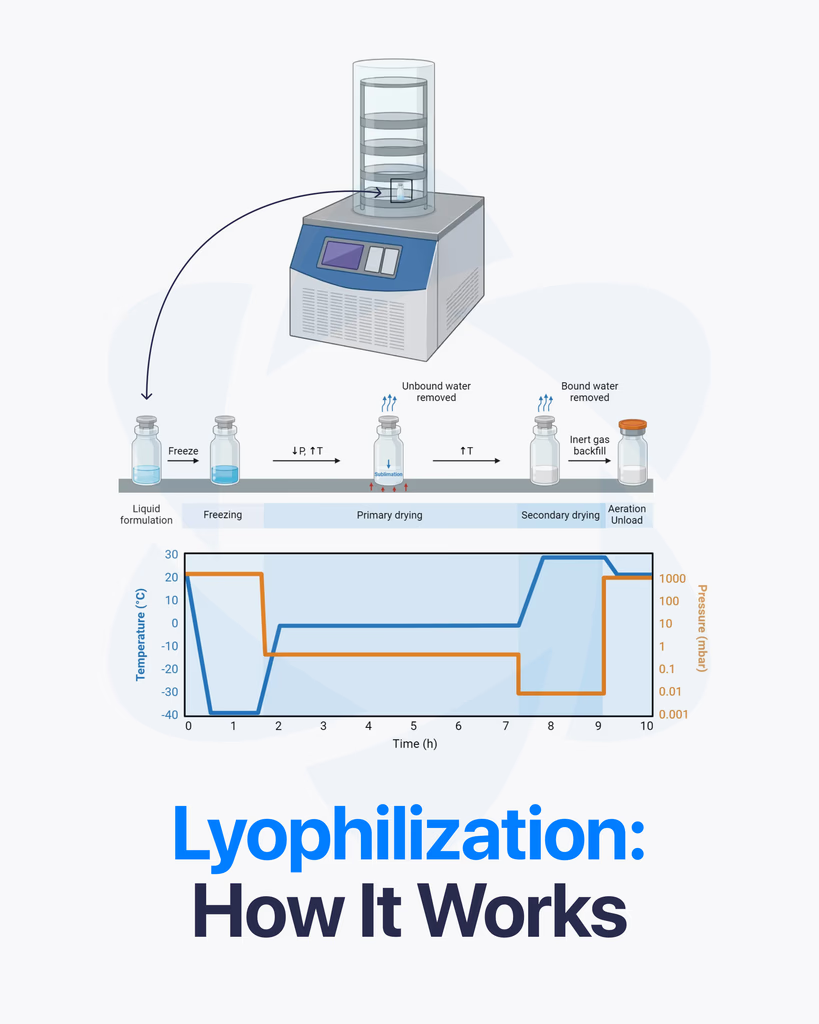
Exploring the dehydration process that ensures the stability and longevity of research peptides.
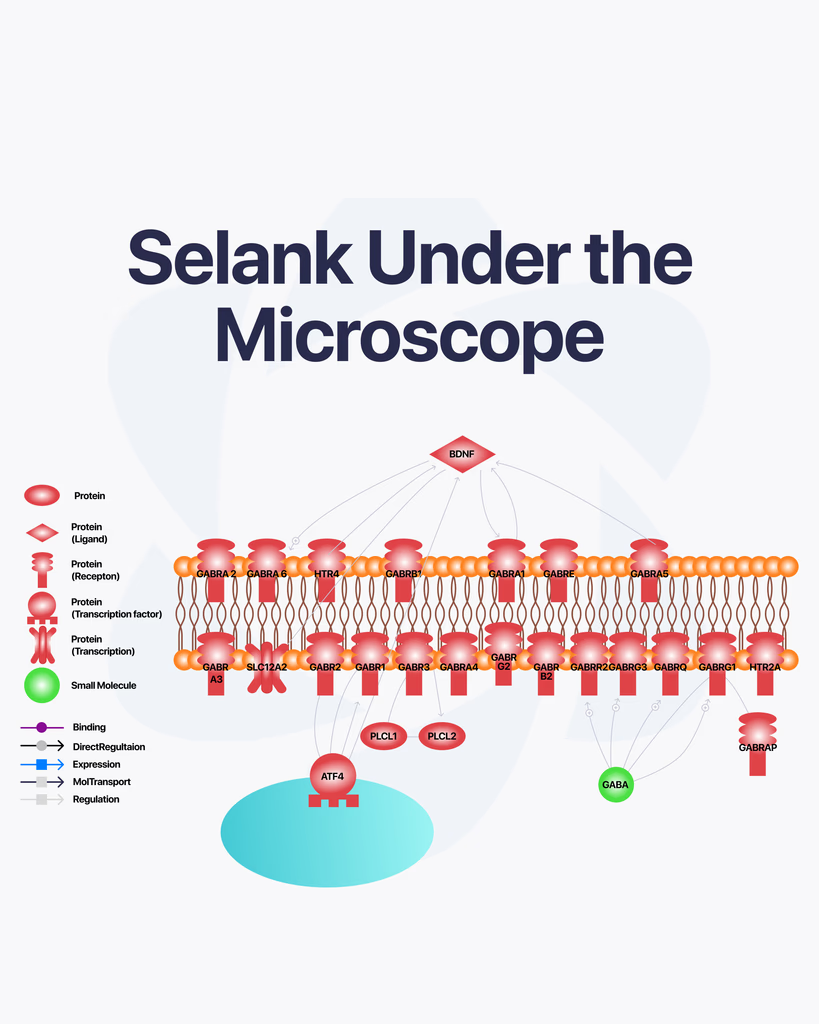
Investigating the neuroprotective and anxiolytic mechanisms of the synthetic Tuftsin derivative.
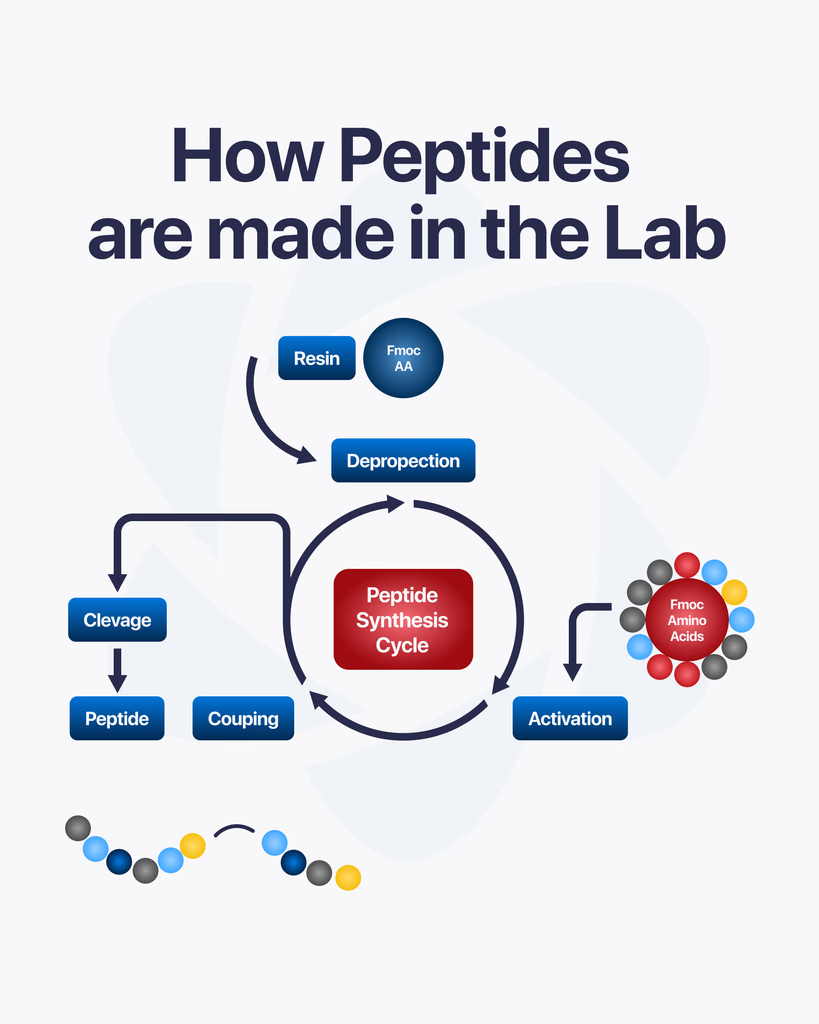
Understanding the systematic cycle of amino acid coupling and the rise of solid-phase technology.
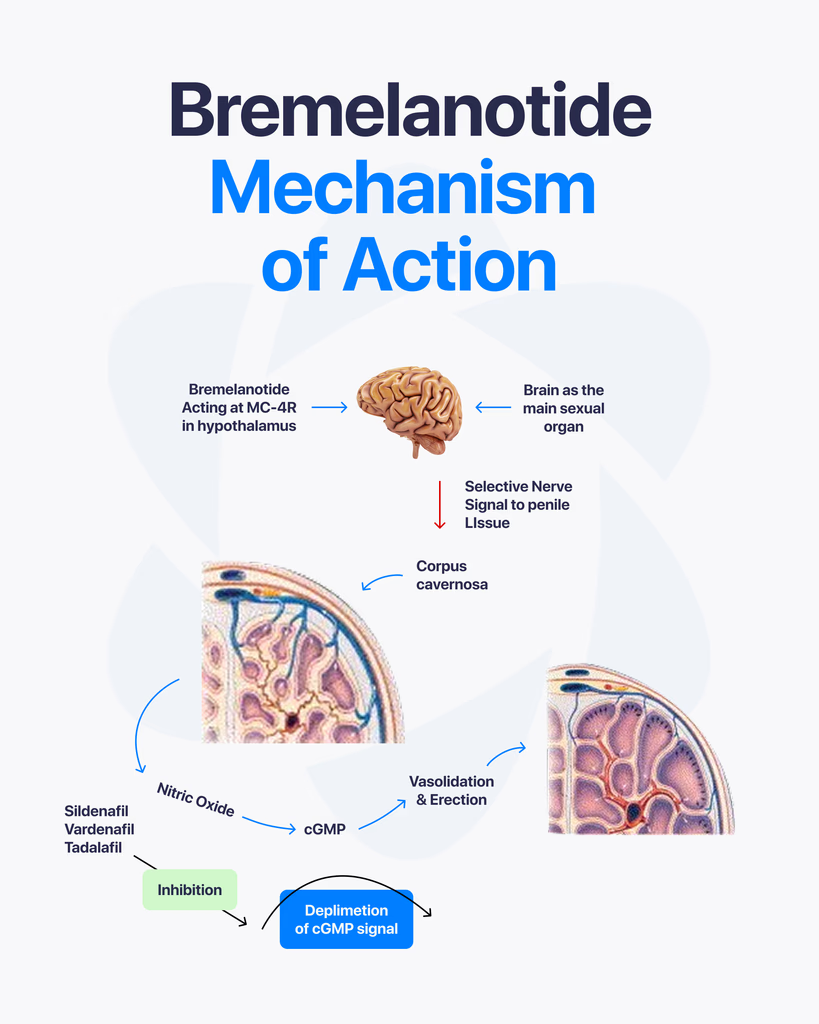
Exploring the signaling pathways of MC1R to MC5R receptors and their metabolic implications.
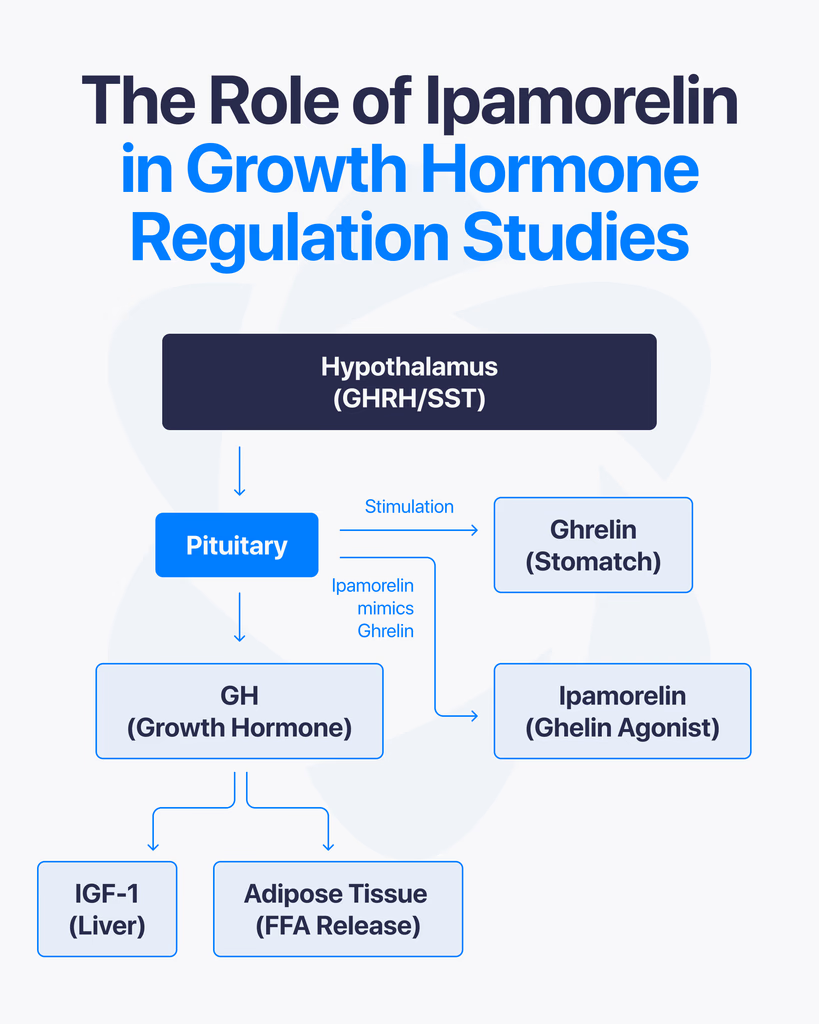
Exploring the specificity of the pentapeptide Ipamorelin and its unique receptor binding profile.
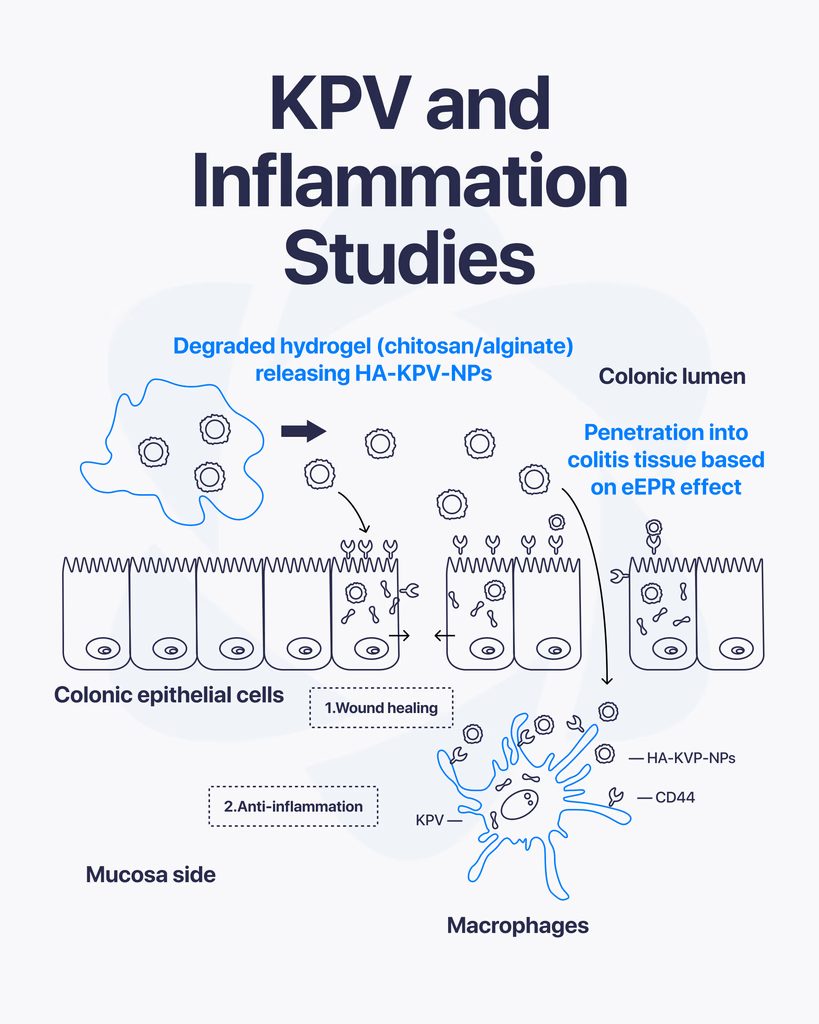
Analyzing the anti-inflammatory tripeptide KPV and its role in modulating cellular cytokine activity.
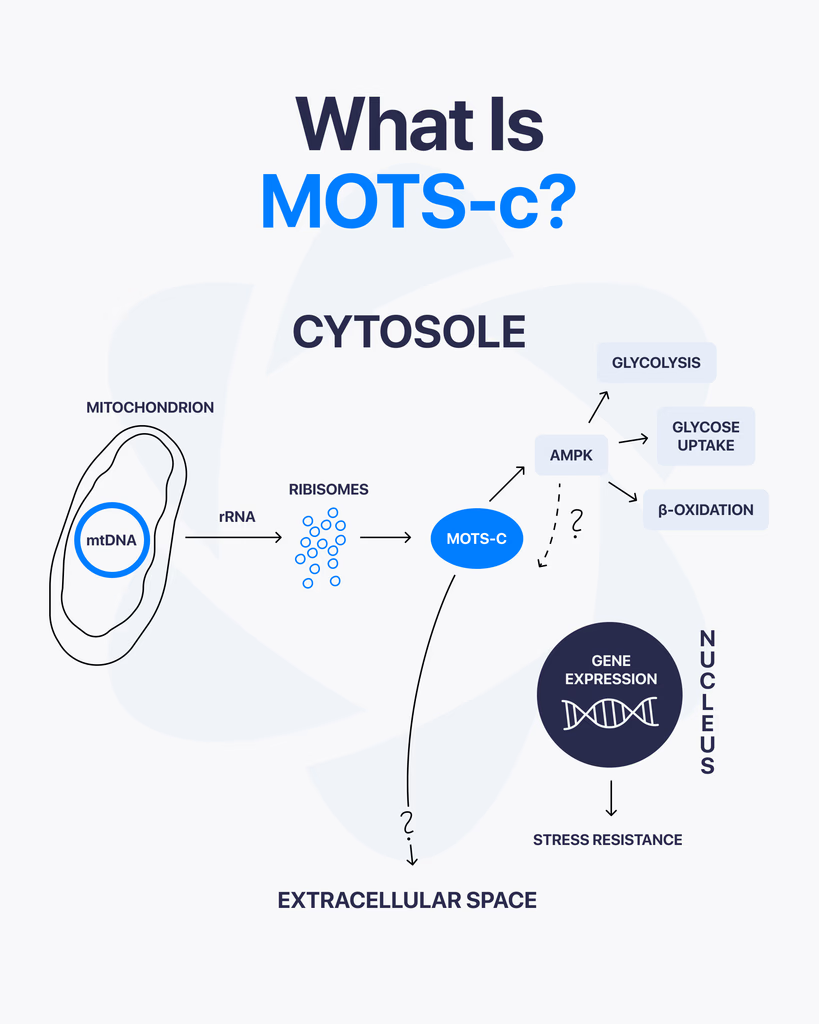
A look at the mitochondrial-derived peptide and its systemic influence on metabolic homeostasis.
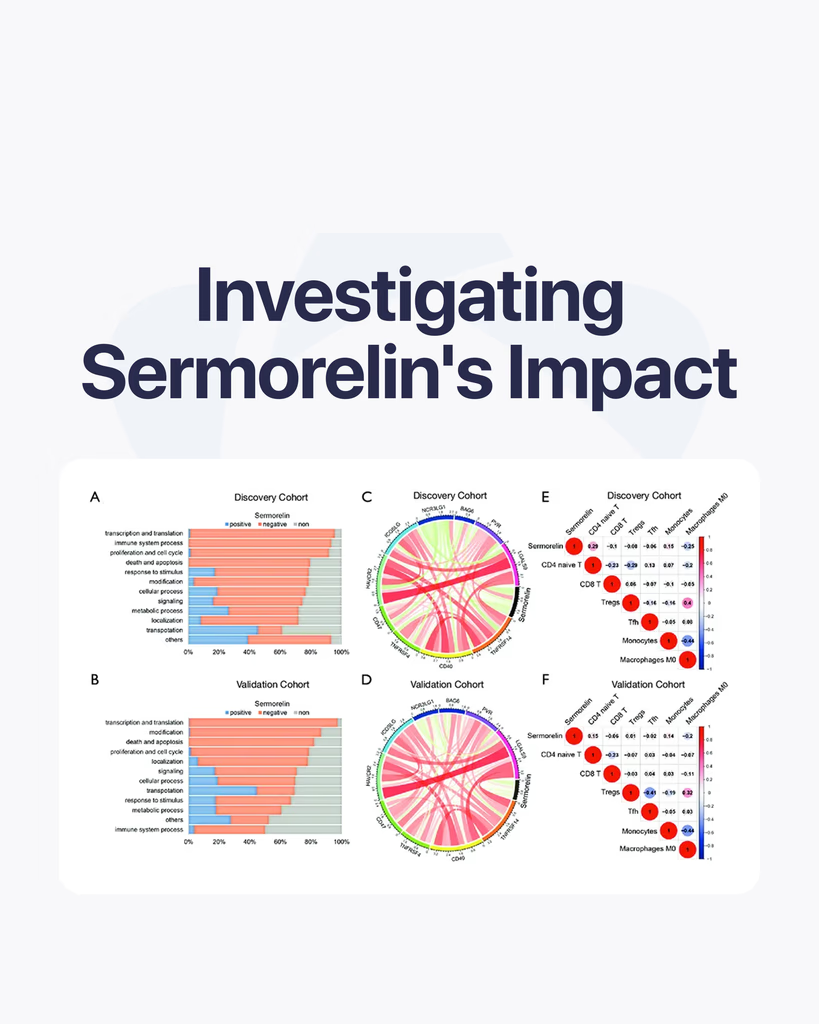
Reviewing the impact of the GHRH analog Sermorelin on cellular growth cycles and proliferation rates.
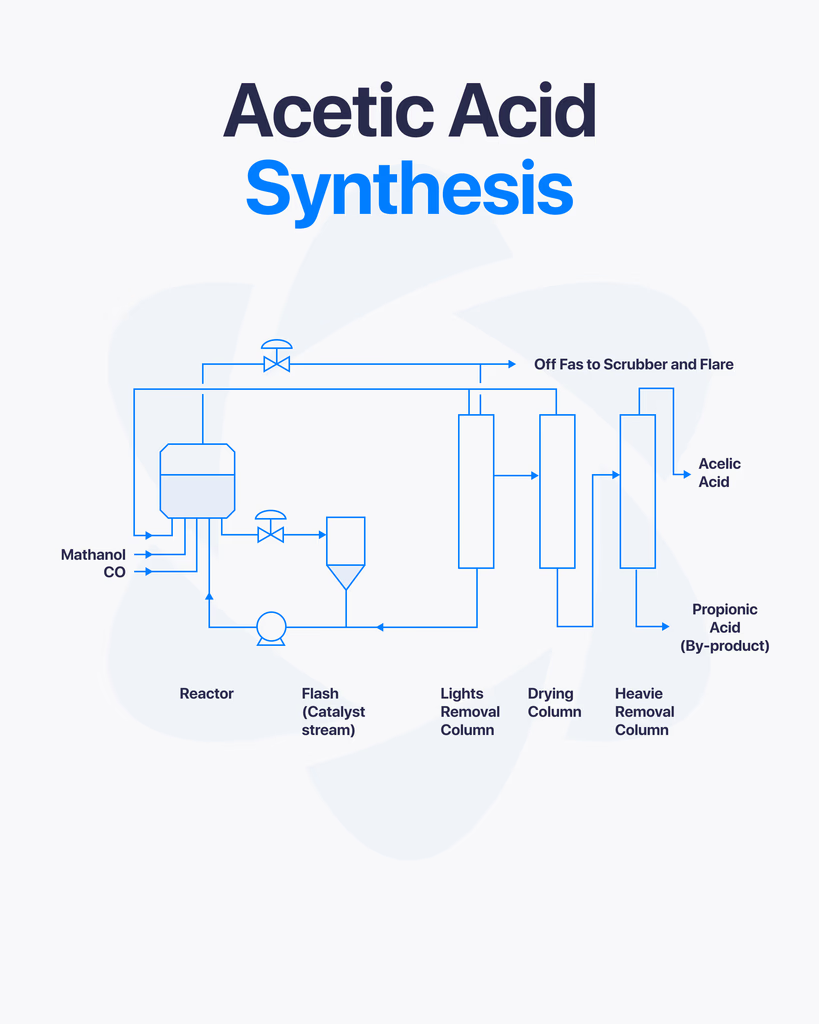
Detailed report on industrial chemical breakthroughs, green catalysis, and CCU technology.
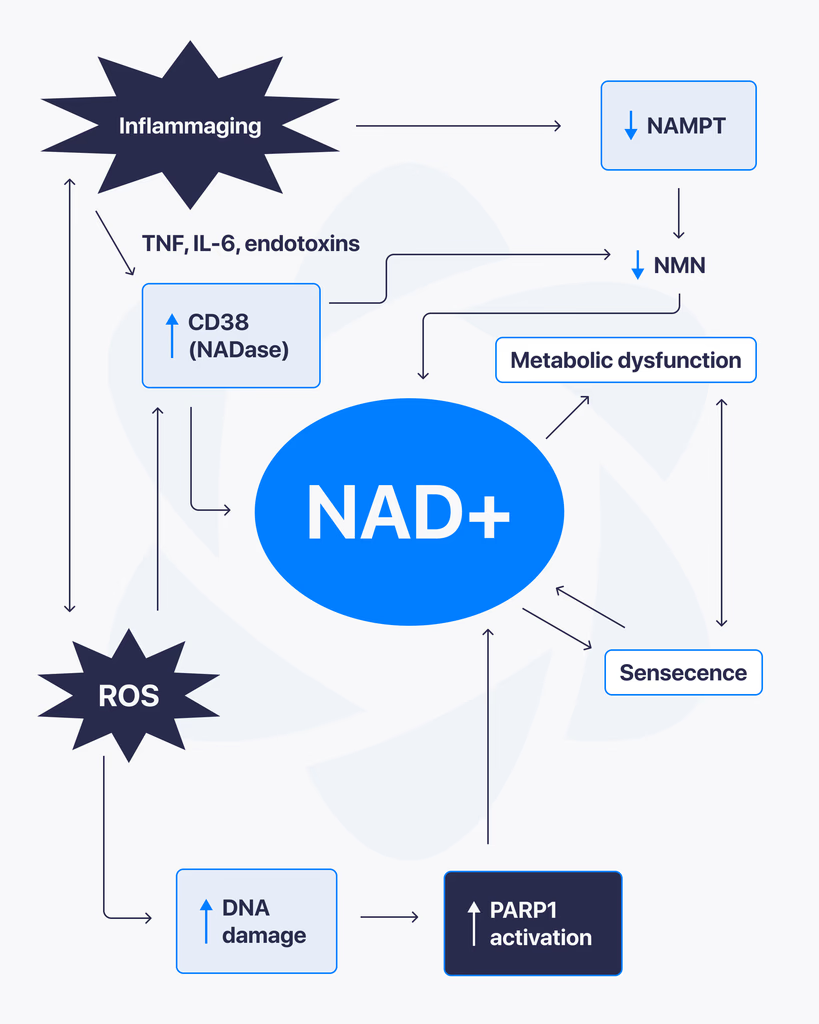
Exploring the fundamental role of NAD+ in energy metabolism, DNA repair, and mitochondrial health.
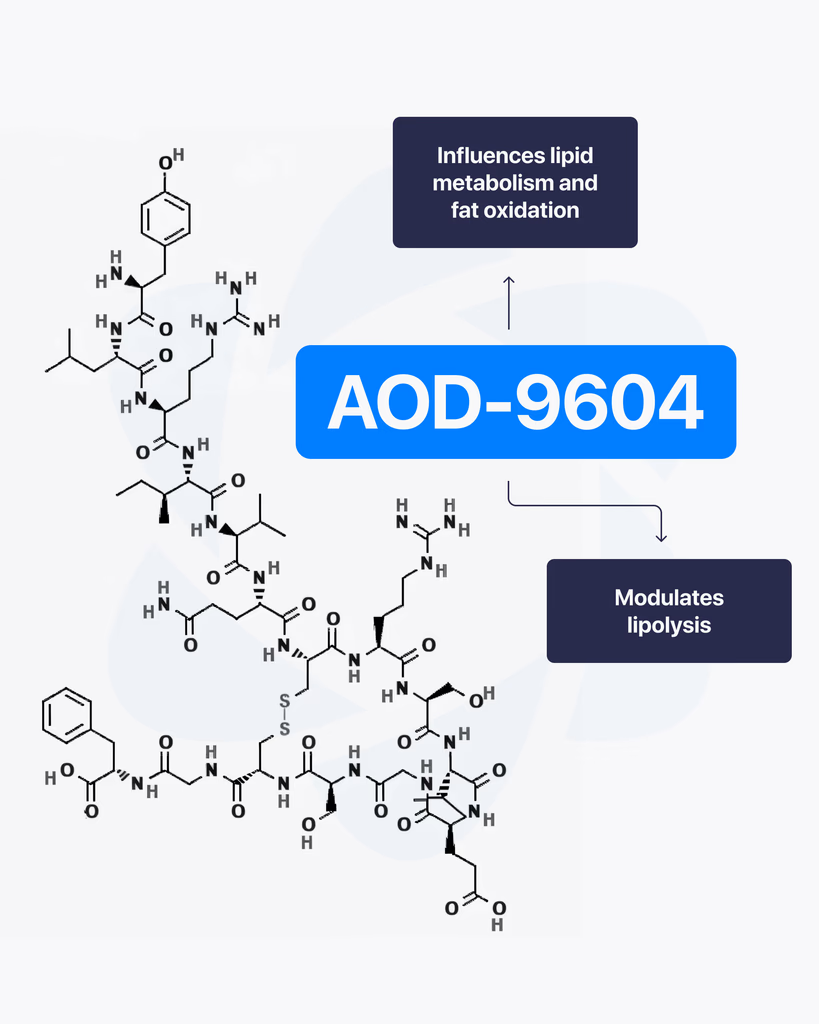
A deep dive into the hGH fragment 177-191 and its targeted influence on lipid metabolism.
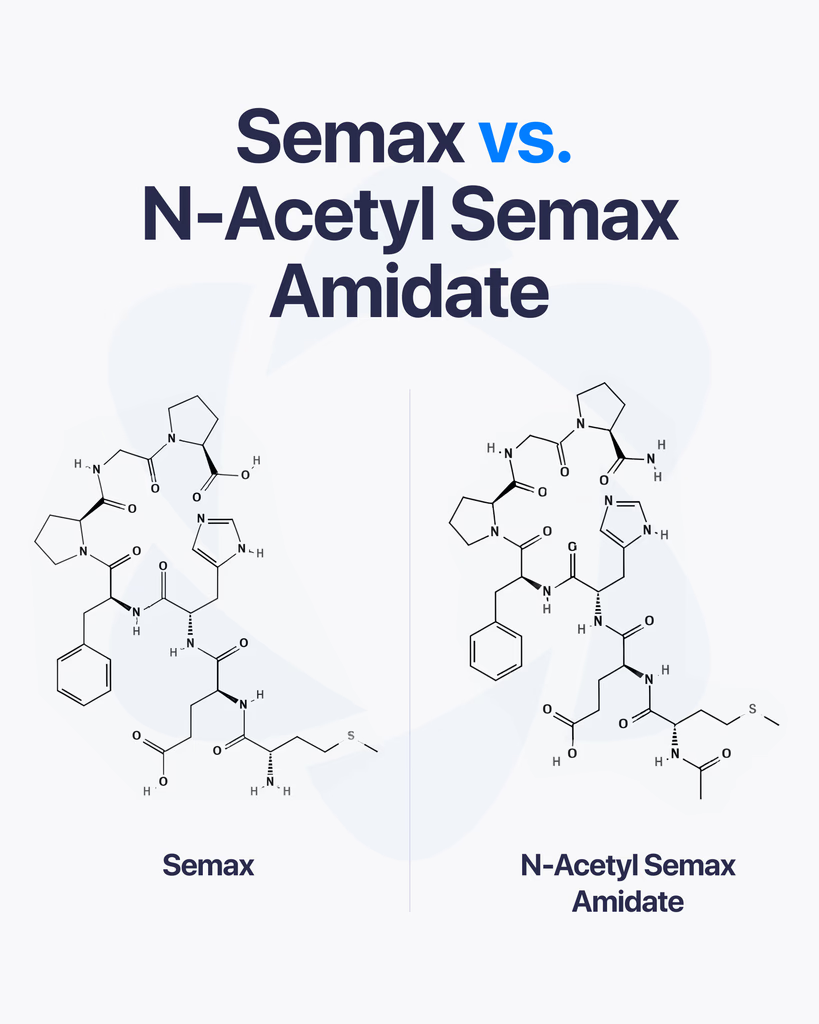
Comparing the stability and delivery characteristics of across different chemical modifications of Semax.
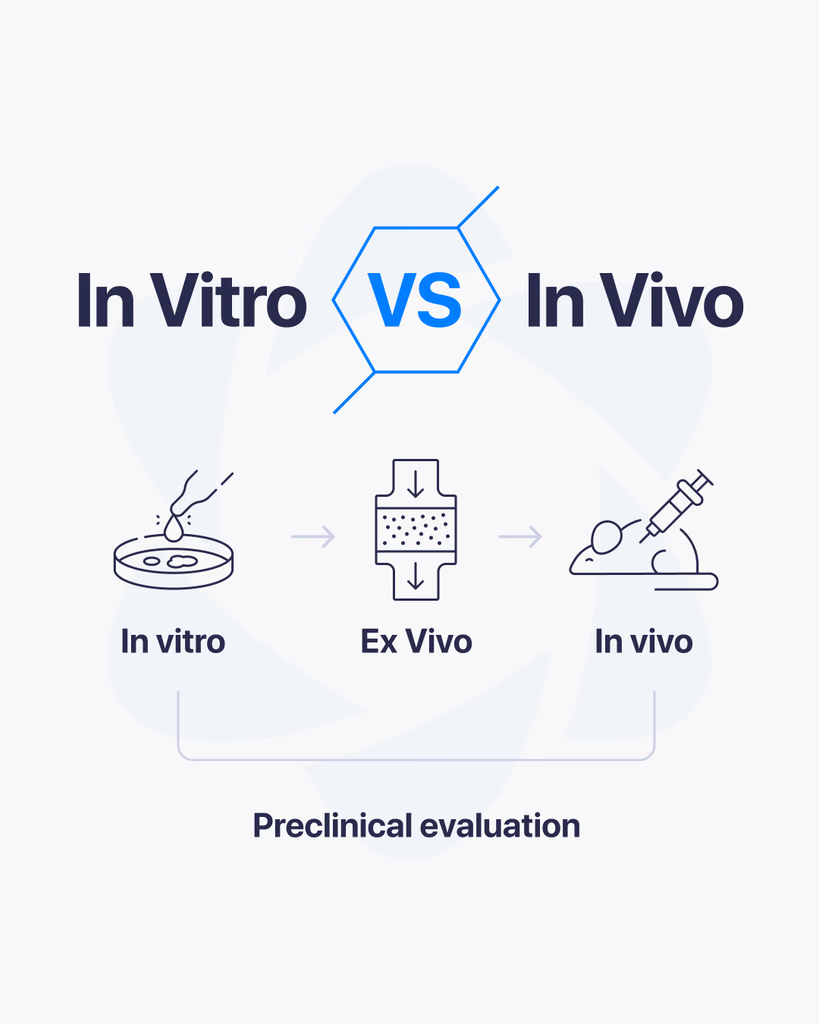
Understanding the distinction between cellular assays and complex living biological models.
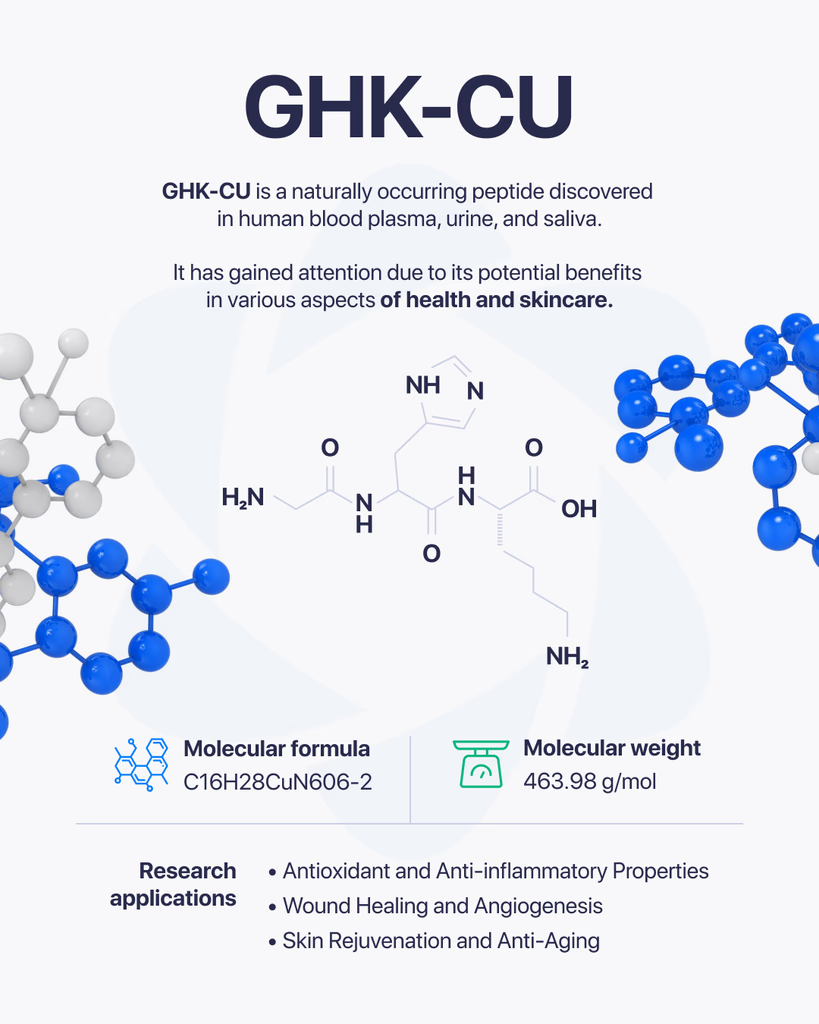
Investigating the regenerative signal peptide GHK-Cu and its role in tissue remodeling.
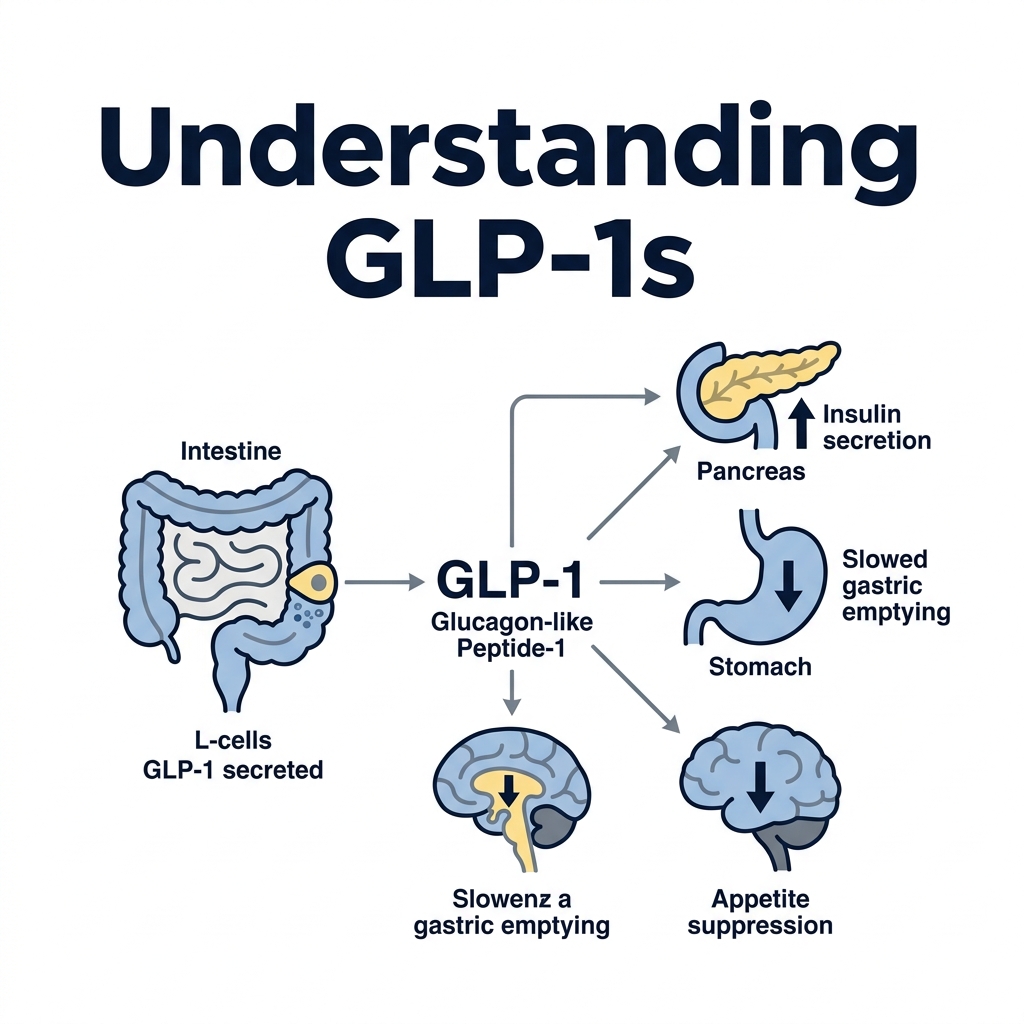
Exploring the role of glucagon-like peptide-1 in metabolic signaling and appetite regulation.
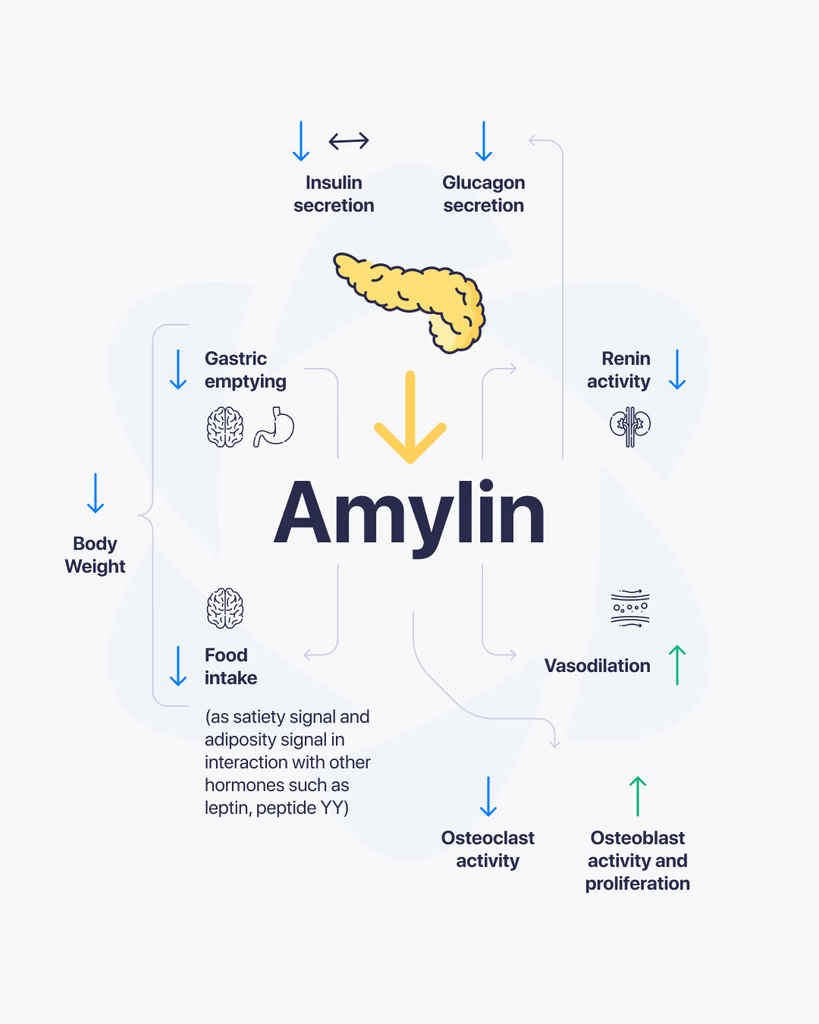
Investigating the long-acting amylin analogue and its synergistic effects with GLP-1 in research models.
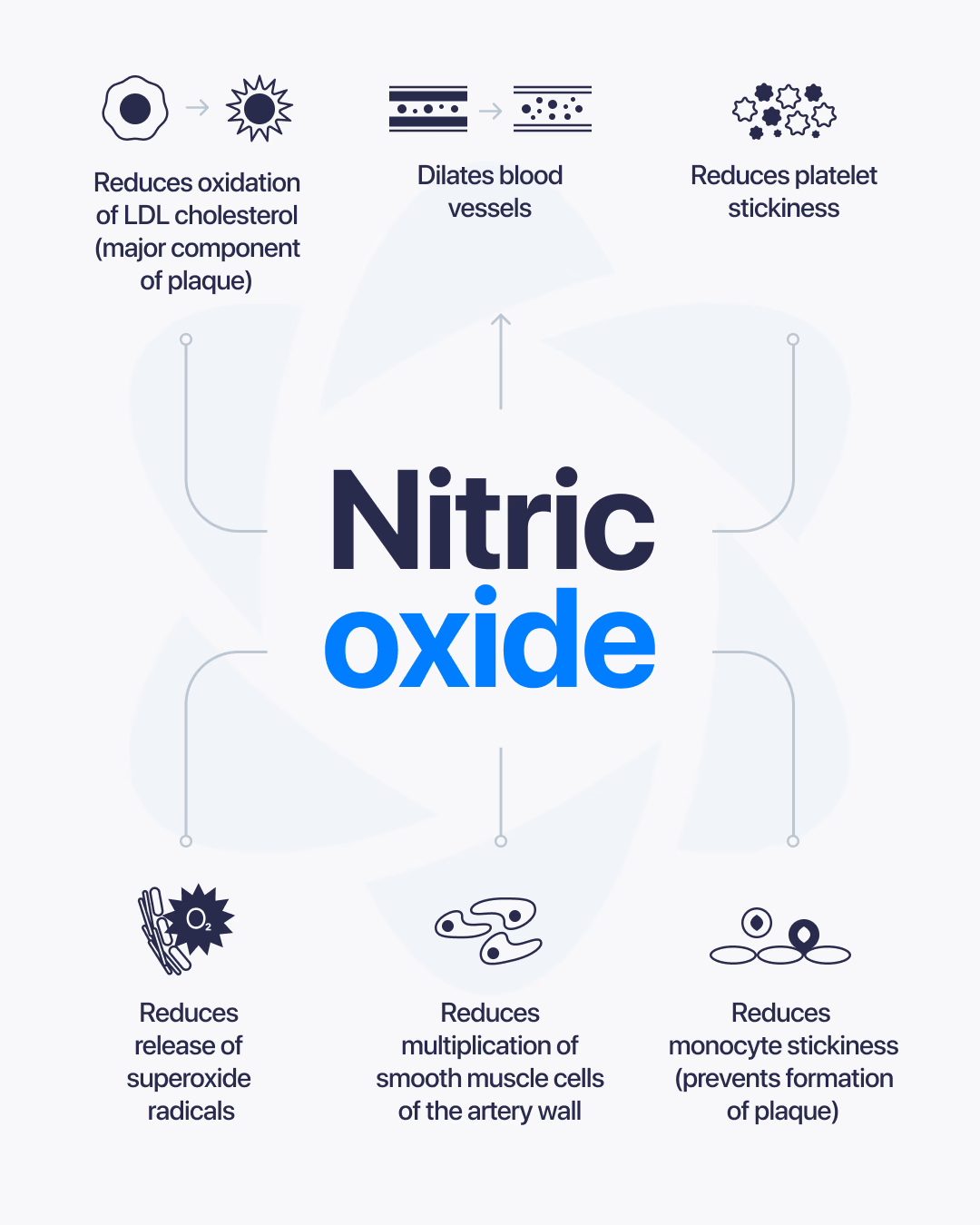
Analyzing the interface between the BPC-157 peptide and the Nitric Oxide signaling system during tissue repair.
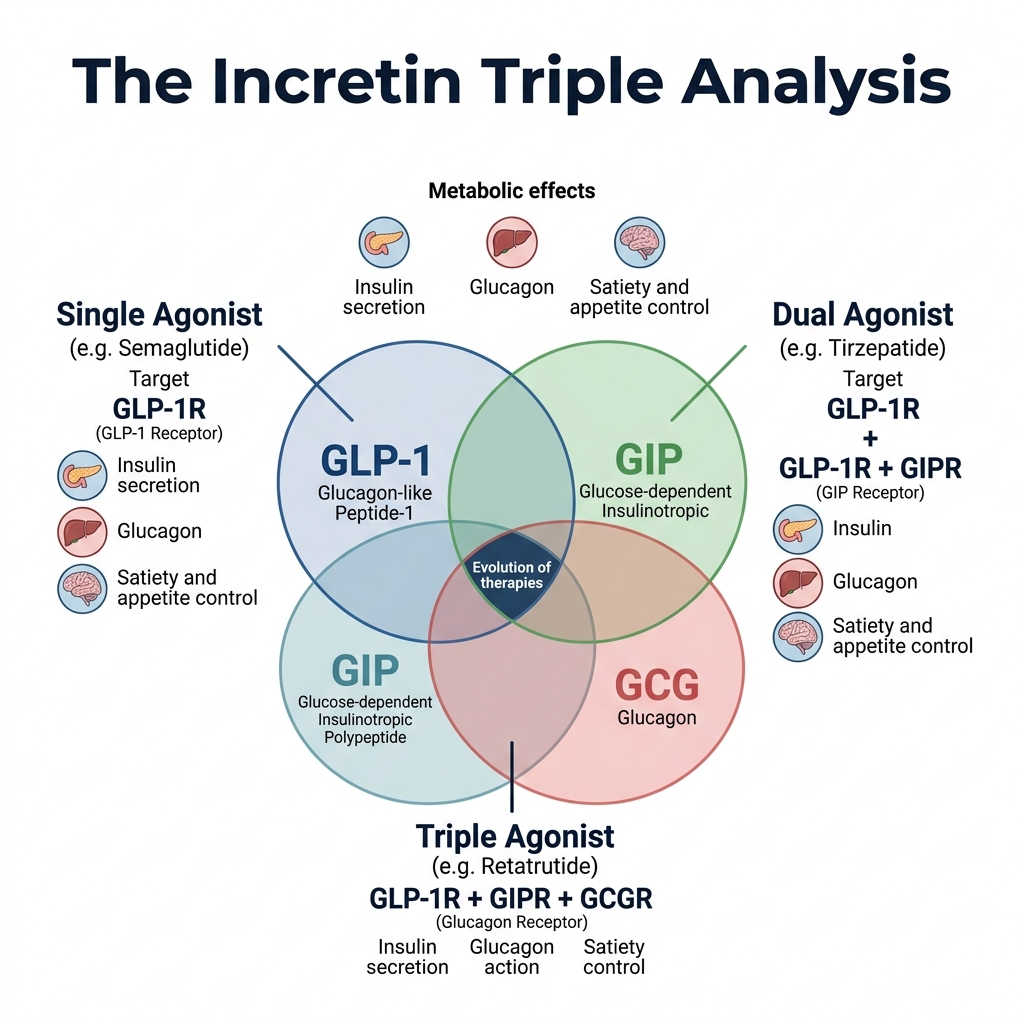
A comparative breakdown of single, dual, and triple incretin receptor agonists in modern metabolic research.
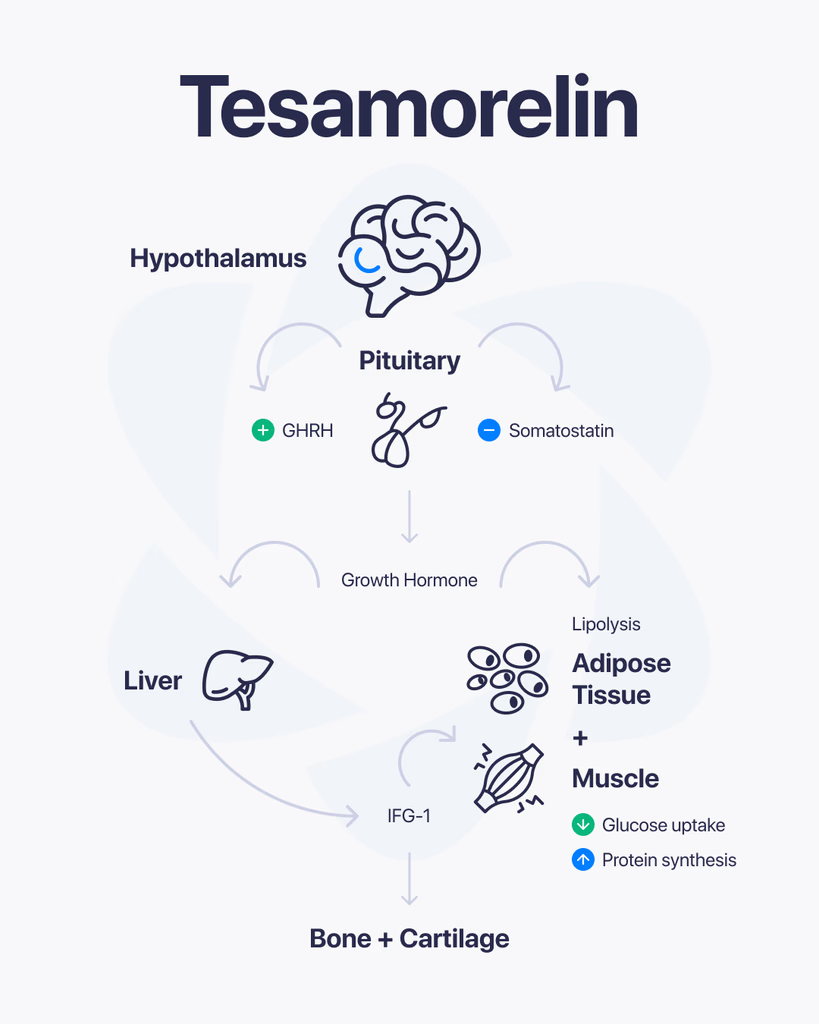
Exploring the GHRH analogue Tesamorelin and its specific effects on pituitary growth hormone secretion.




.png)