The Reparative Interface
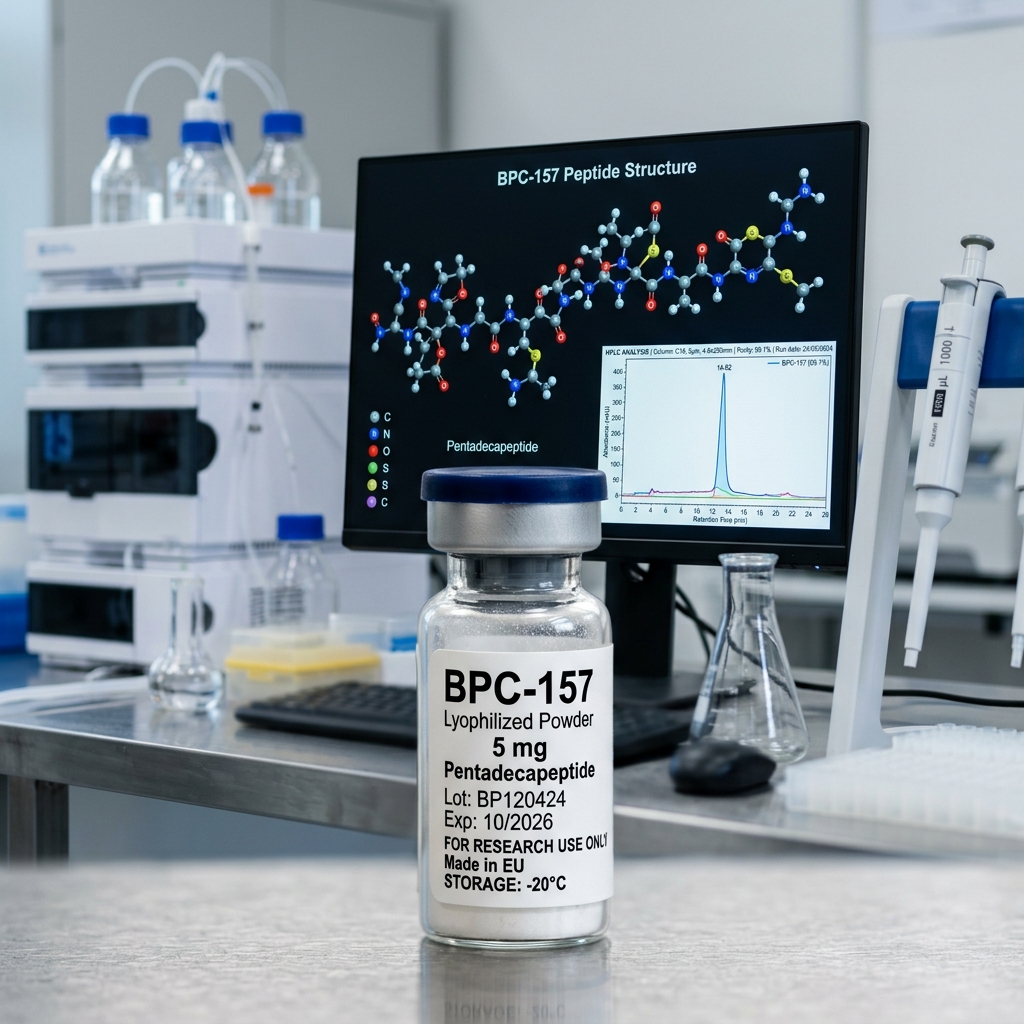
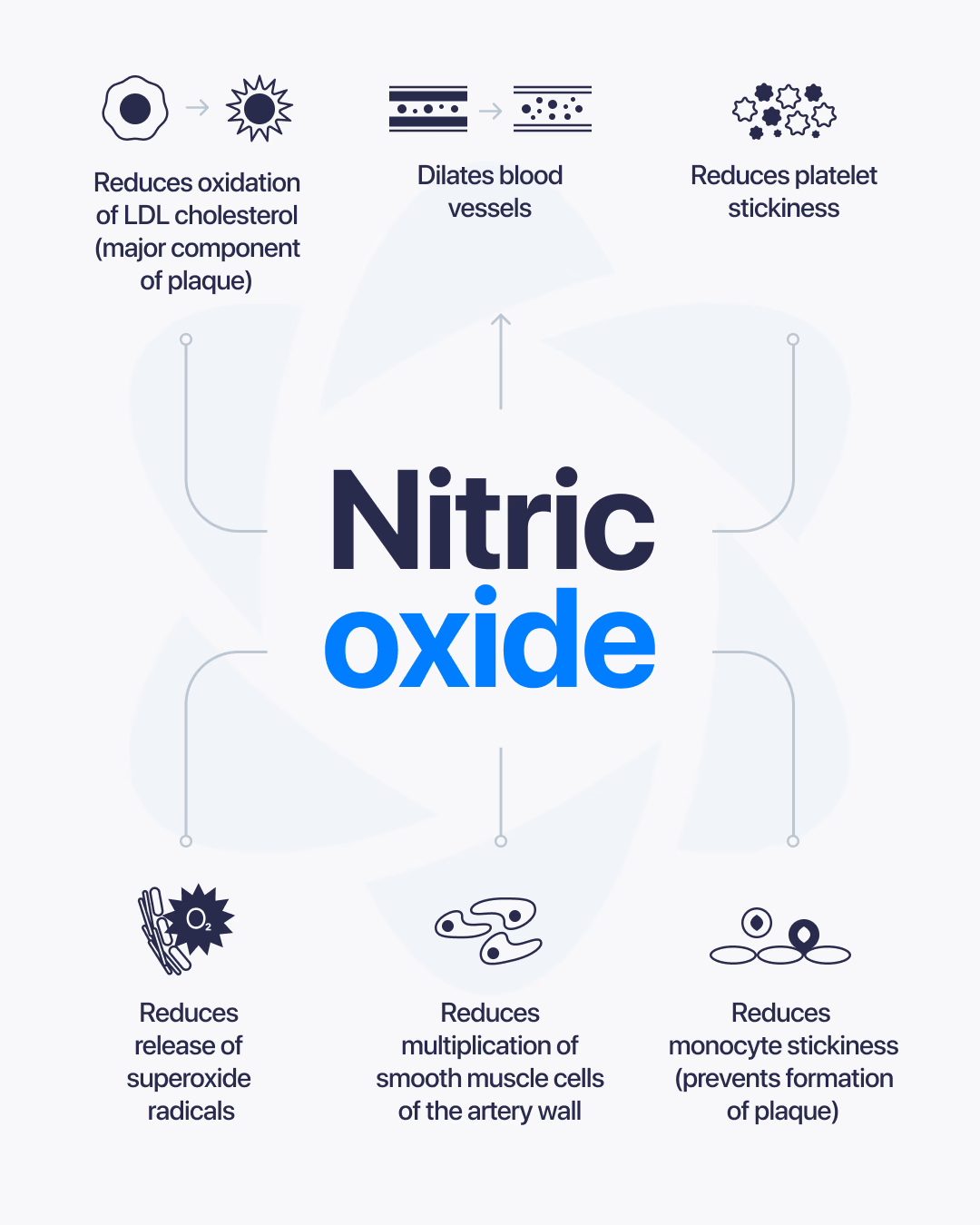
BPC-157 is a synthetic pentadecapeptide derived from a protective protein found in the human gastric juice. A significant area of research focuses on its interaction with the Nitric Oxide (NO) signaling system—a key mediator of vascular health and tissue repair.
eNOS Activity and Vasodilation
Laboratory findings suggest that BPC-157 may influence the activity of endothelial Nitric Oxide Synthase (eNOS). By modulating NO production, the peptide appears to maintain vascular integrity and promote angiogenesis (the formation of new blood vessels) in damaged tissue.
Nitric Oxide Balance
What makes BPC-157 unique in research is its "balancing" effect. It has been observed to counteract both the inhibition of NO production and its overproduction (which can be toxic). This regulatory mechanism is central to its study in gastric protection and muscular-tendon healing models.
Scientific References:
[1] Sikiric, P., et al. (2011). "Toxicity by NSAIDs. Counteraction by stable gastric pentadecapeptide BPC 157." Current Pharmaceutical Design.
[2] Seiwerth, S., et al. (2018). "BPC 157 and blood vessels." Current Pharmaceutical Design.