The Building Blocks of Life
Amino acids are organic compounds that contain both an amino group and a carboxylic acid group. They are the fundamental building blocks of all proteins and peptides, often referred to as the "molecular alphabet." In nature, there are 20 standard amino acids that combine in various sequences to perform a wide array of biological functions.
Peptides: The Middle Ground
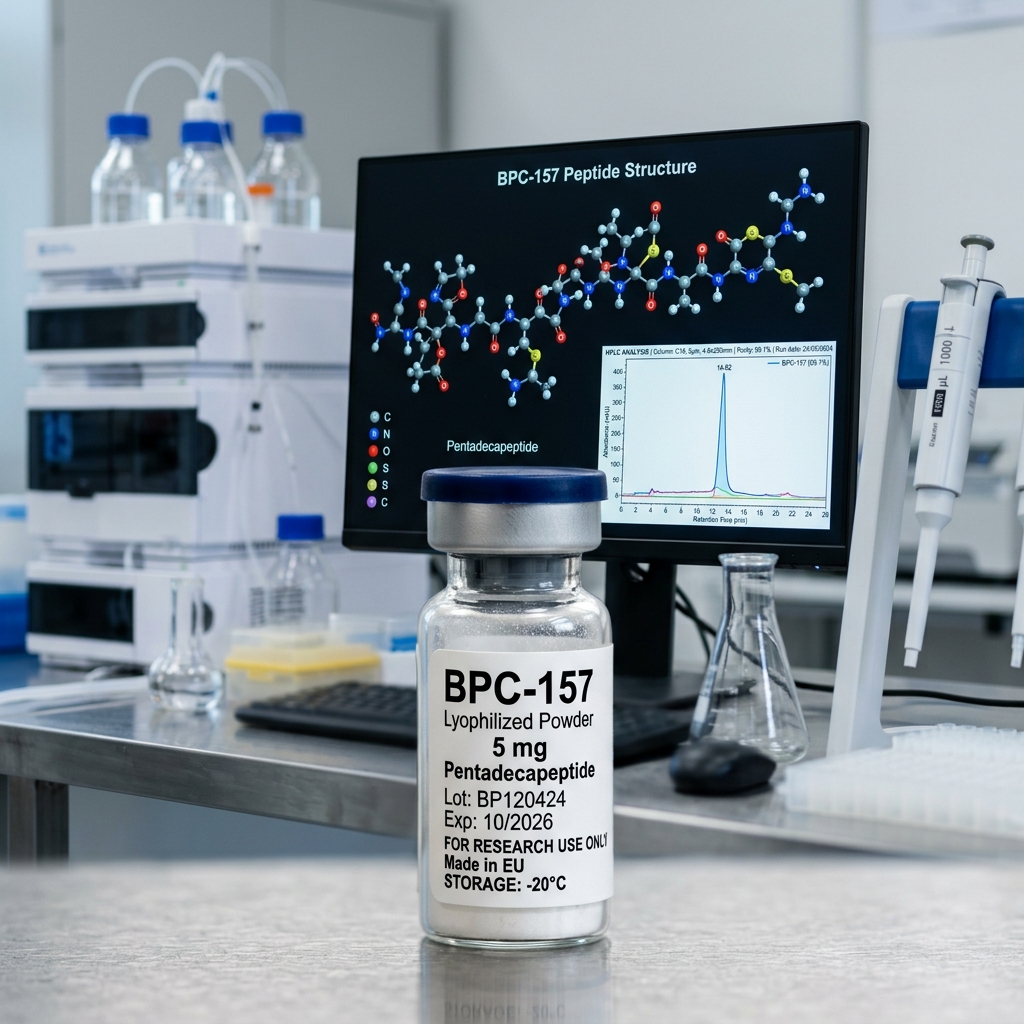
Peptides are short chains of amino acids (typically 2 to 50) linked by peptide bonds. Because they are smaller than proteins, they can often be absorbed more easily by cells, making them a primary focus for research in pharmacology and cellular biology. Signal peptides, for example, act as messengers to trigger specific biological processes.
Proteins: Complex Architecture
Proteins are large, complex molecules consisting of one or more long chains of amino acids (usually over 50). They fold into intricate three-dimensional shapes that determine their function, ranging from structural support (collagen) to biological catalysts (enzymes).
Scientific References:
[1] Berg, J. M., et al. (2002). "Biochemistry." W. H. Freeman and Company.
[2] Creighton, T. E. (1993). "Proteins: Structures and Molecular Properties." W. H. Freeman.