Abstract: Glucagon-like Peptide-1 (GLP-1) signaling is a cornerstone of the incretin effect. We analyze the pharmacokinetics of GLP-1 receptor agonists and their impact on hypothalamic proopiomelanocortin (POMC) neurons.
The Mechanisms of Incretin Signaling
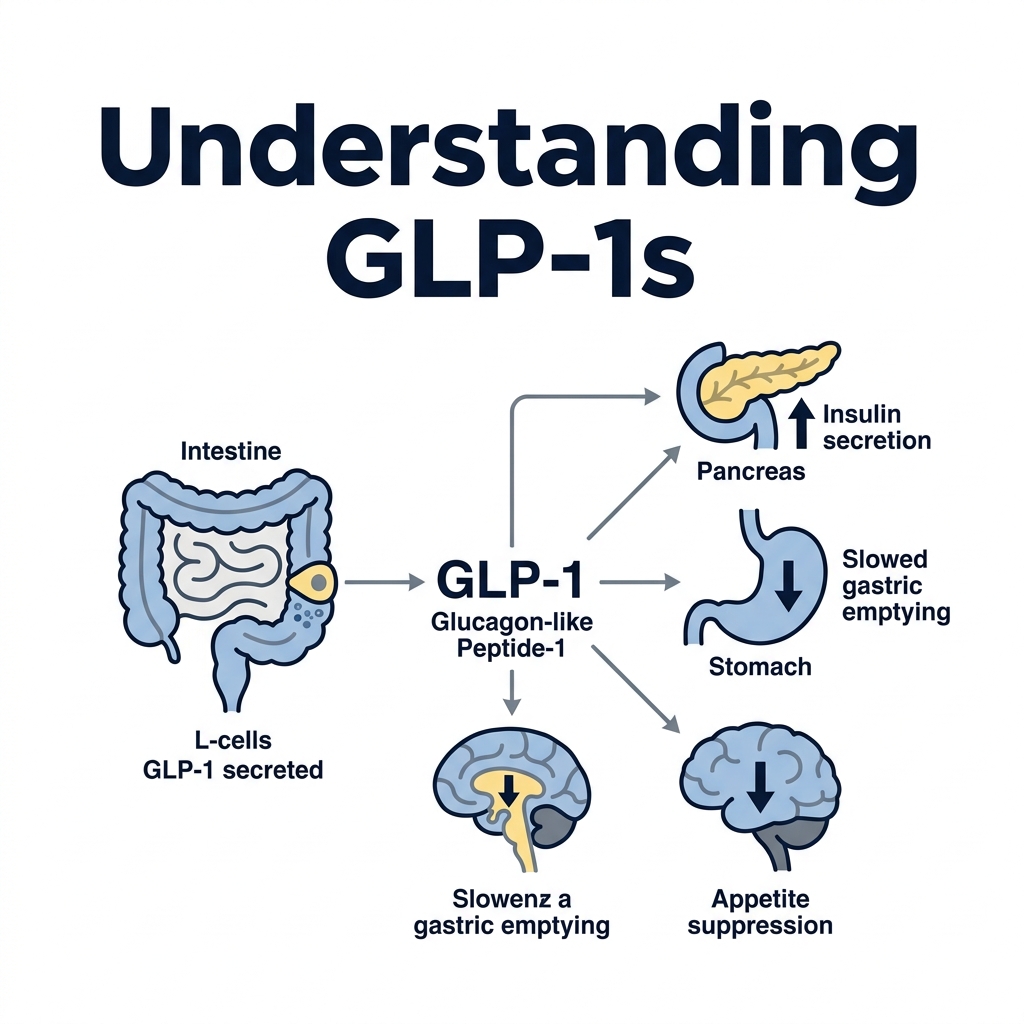
GLP-1 (Glucagon-Like Peptide-1) is a naturally occurring incretin hormone secreted by the L-cells of the small intestine in response to nutrient ingestion. It plays a critical role in the systemic regulation of energy metabolism and glucose homeostasis.
Core Biological Functions
- Glucose Regulation: GLP-1 stimulates insulin secretion from beta cells in a glucose-dependent manner, minimizing the risk of hypoglycemia.
- Gastric Modulation: It slows gastric emptying, which leads to a more gradual absorption of nutrients into the bloodstream.
- Appetite Suppression: By interacting with receptors in the hypothalamus and brainstem, GLP-1 signals satiety and reduces the drive for energy intake.
Research Focus
In modern pharmacology, GLP-1 analogues like Semaglutide are used to study cellular pathways involved in metabolic syndrome, neuroprotection, and even cardiovascular signaling, making it one of the most intensely researched peptides of the decade.
Scientific References:
[1] Drucker, D. J. (2006). "The biology of incretin hormones." Cell Metabolism.
[2] Holst, J. J. (2007). "The Physiology of Glucagon-like Peptide 1." Physiological Reviews.